


Last Updated: October 29, 2026
Quick Summary
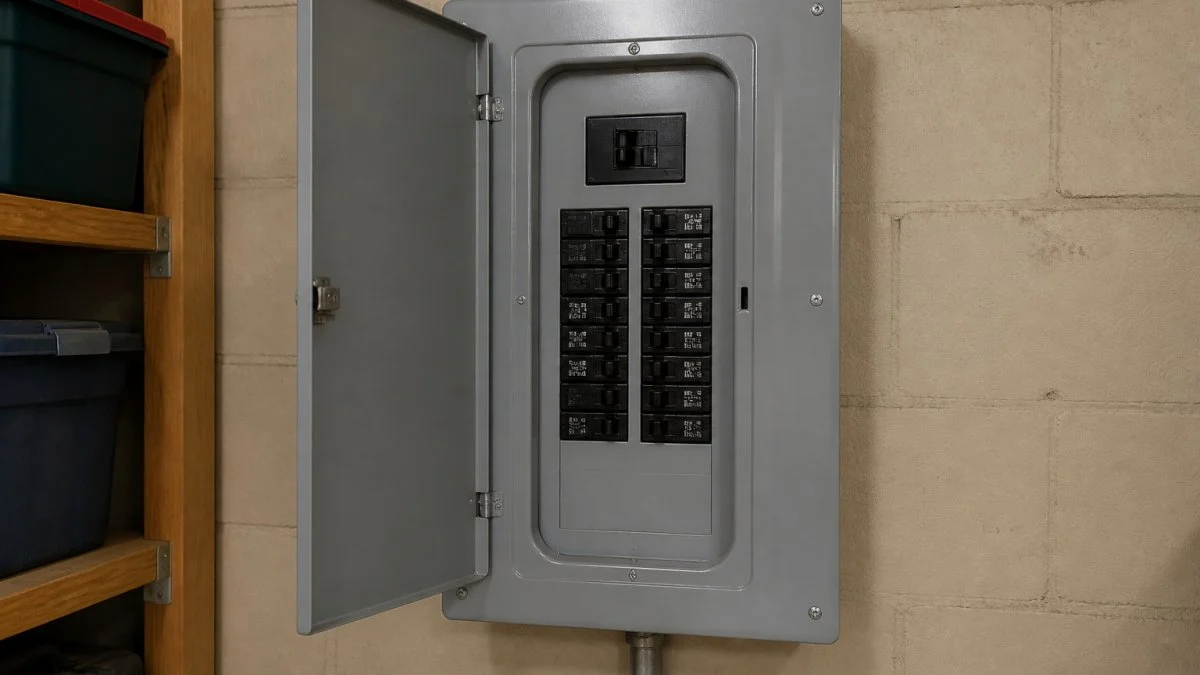
A 100 amp panel is enough for many Tampa Bay homes if the loads stay moderate, but it often becomes tight once a Level 2 EV charger, central heat pump, or electric water heater is added. Whether yours has room depends on a load calculation by a licensed electrician, not on the panel’s age.
- The EV charger, not the age of the house, is often what pushes a 100 amp service over its limit.
- Repeated breaker trips, dimming lights when large appliances start, or a warm panel are signs of overload.
- A licensed electrician performs a formal load calculation using square footage and appliance nameplate data.
- Load management devices can help a 100 amp service carry an EV charger without a full service upgrade.
- Request an itemized 200 amp upgrade quote separating equipment, service conductors, utility work, grounding, and permits.
Table of Contents
- Why 100 Amps Is Still Common in Older Tampa Bay Homes
- How to Calculate Whether Your 100 Amp Panel Has Enough Capacity
- Signs of an Overloaded Electrical Panel to Watch For
- EV Charger Installation Requirements and 100 Amp Service
- Cost to Upgrade Electrical Panel to 200 Amp and Project Scope
- Alternatives to a Full 200 Amp Upgrade and Load Management
- Booking a Panel Assessment With Accurate Electric in 2026
- Frequently Asked Questions
Why 100 Amps Is Still Common in Older Tampa Bay Homes
Many homes across the Tampa Bay area were built with a 100 amp electrical service, and for a lot of households that capacity still works. The question of whether a 100 amp panel is enough for 2026, or whether it is time to plan an upgrade, comes up often.
A 100 amp panel was the standard for decades, especially in homes built before large electric appliances, central air, and EV chargers became routine. Older Tampa Bay homes often fall into this category. The panel itself may still be functional, but the demand placed on it has changed substantially.
The problem is rarely the panel’s rating on paper. It is the gap between what the panel was designed for and what a modern household plugs into it.
How to Calculate Whether Your 100 Amp Panel Has Enough Capacity
Start with the basic arithmetic. A 100 amp service at 240 volts provides roughly 24,000 watts of total capacity. That figure is not the amount you can draw continuously. Electrical load calculations under the National Electrical Code apply demand factors that reduce the calculated load for typical household use. Those demand factors are why a 100 amp panel can appear adequate on paper while still feeling tight in daily life.
The practical method is to list the major loads, estimate their demand, and compare the total against your service rating. A licensed electrician performs this calculation formally using the home’s square footage, appliance nameplate data, and the installed circuits. A simplified self-check helps you decide whether a formal calculation is worth scheduling.
Consider these questions:
- How many major 240-volt appliances do you run at the same time?
- Do you use electric heat, an electric water heater, or an electric range?
- Is there a Level 2 EV charger, or do you plan one within five years?
- Are there planned additions such as a hot tub, workshop, or finished basement?
Load Calculation Walkthrough for a Typical Home
Consider a 2,000 square foot single-family home with a 100 amp service, an electric range, an electric dryer, a central heat pump, an electric water heater, and a planned EV charger. The general lighting and receptacle load is calculated from square footage, with the first 3,000 square feet carrying a base allowance.
Once demand is applied, many homes like this land near or above the practical limit of a 100 amp service once the EV charger is added. Without the charger, the same home may fit comfortably. That difference is the central point: the EV charger, not the age of the house, is often what pushes the calculation over the edge.
Signs of an Overloaded Electrical Panel to Watch For
An overloaded panel rarely fails all at once. It usually shows warning signs over time. Breakers that trip repeatedly, especially when two major appliances run together, are the most common indicator.
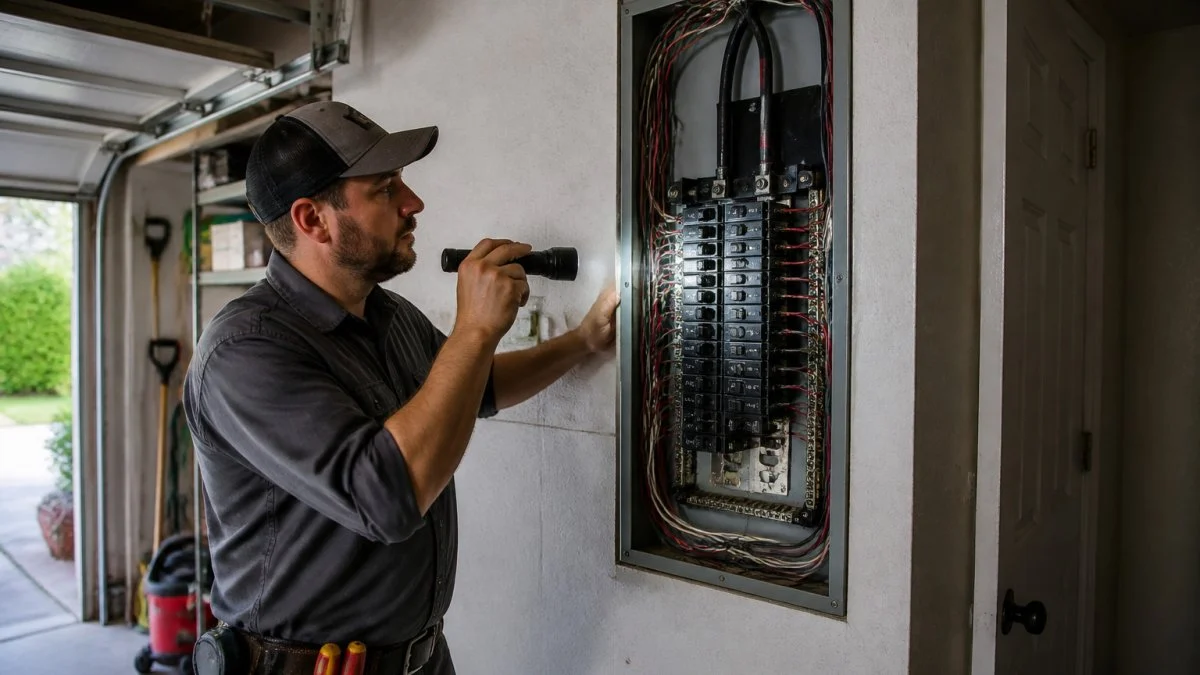
Other signs include outlets or switches that are warm or discolored, flickering lights that are not explained by a loose bulb, and a main breaker that is consistently near its rating.
Older panels deserve a closer look regardless of load. If your home has an older panel and you notice any of the signs above, have it evaluated promptly rather than waiting for a failure. Read the full list of signs your electrical panel needs an upgrade for more detail.
EV Charger Installation Requirements and 100 Amp Service
Installing an EV charger is often the event that reveals whether a 100 amp panel has room to spare. A Level 2 home charger typically draws 32 to 48 amps of continuous current, and it must be on a dedicated circuit sized according to the National Electrical Code’s continuous load rules.
Before purchasing a charger, confirm three things with a licensed electrician: the available capacity on your existing service, whether a load management device can safely limit the charger’s draw, and whether the panel has physical space and breaker slots for a new 240-volt circuit. Local permitting and inspection requirements apply to this work, and a permit is typically required. Confirm the rules with your local authority.
Many homeowners install a charger themselves, only to find that it trips the main or shared breakers when other appliances run. That result is a signal to stop and have the system evaluated, not a problem to work around.
Cost to Upgrade Electrical Panel to 200 Amp and Project Scope
Most online answers treat a 200 amp upgrade as one number, “a panel swap costs X”, and that framing is misleading. A service upgrade is a bundle of separate scopes, each with its own cost driver, and the total depends on which of them your home actually needs.
The typical project breaks into these cost drivers:
- Panel and main breaker equipment. A 200 amp load center, main breaker, and branch breakers. Cost scales with the number of circuits and whether you choose a panel with copper bus, a surge protective device, or smart-monitoring features.
- Service entrance conductors. The wires from the utility drop or lateral to the meter and panel must be sized for 200 amps. If the existing conductors are undersized or run through a finished wall, replacement labor rises sharply.
- Meter base and utility coordination. Many utilities require a new meter socket, a lever-bypass meter base, and a disconnect ahead of the panel. The utility may also need to upgrade the service drop, transformer, or lateral, work the homeowner does not control and cannot schedule on the electrician’s timeline.
- Grounding and bonding. A 200 amp service requires updated grounding electrode conductors, ground rods, and bonding of metallic water and gas piping. Older homes frequently need a new grounding electrode system entirely.
- Permits and inspection. A permit and inspection are required for service changes in essentially every jurisdiction, and the fee is set by the local authority, not the contractor.
- Labor and access. Crawlspace, attic, or masonry routing, panel relocation, and drywall repair all move the labor line.
Because those drivers vary so much home to home, a responsible contractor will not quote a fixed national figure. Ask for an itemized proposal that separates equipment, labor, permit fees, utility coordination, and any drywall or finish repair. That structure lets you see whether a lower bid is actually cheaper or simply excludes the utility work and grounding updates the higher bid includes.
Do not accept a verbal “panel swap” price. A true 200 amp upgrade changes the service, not just the box on the wall. If a quote does not mention service conductors, grounding, and utility coordination, ask why, the answer tells you whether the scope is complete.
Timelines follow the same logic. The electrical work itself is often a one-day job once materials and the permit are in hand, but utility coordination, scheduling the disconnect, the meter re-set, and any transformer or drop upgrade, can stretch the calendar by days or weeks depending on the utility’s queue. Build that into your planning rather than assuming the electrician controls the whole schedule. See the panel upgrade timeline and process for a step-by-step breakdown.
NFPA 70 National Electrical Code free access
The cost of a 200 amp upgrade depends on which scope components your home needs, as summarised below.
| Cost driver | What it covers | Note |
|---|---|---|
| Panel and main breaker | 200 amp load center, main breaker, branch breakers | Scales with circuit count and features |
| Service entrance conductors | Wires from drop or lateral to meter and panel | Costly if undersized or inside finished walls |
| Meter base and utility coordination | New meter socket, disconnect, utility work | Utility schedule can add days or weeks |
| Grounding and bonding | Grounding electrode conductors, ground rods, bonding | Older homes often need a full system update |
| Permits and inspection | Required service-change permit and inspection | Fee set by the local authority |
| Labor and access | Crawlspace, attic, masonry routing, drywall repair | Moves labor cost significantly |
Alternatives to a Full 200 Amp Upgrade and Load Management
A full service upgrade is the most complete answer, but it is not the only one. Several approaches let a 100 amp service carry new load, particularly an EV charger, without replacing the service.
Energy management / load-shedding devices. These are the most common alternative. A wall-mounted controller monitors total service demand through current transformers on the service conductors.
Scheduling and behavioral load control. Programming the charger to run overnight, when the range, dryer, and water heater are typically idle, reduces coincident demand without hardware.
Subpanels. A subpanel does not add service capacity, it only redistributes circuits. It is useful for organizing new circuits or shortening wire runs, but it cannot make a 100 amp service carry more load.
Load management is a legitimate path for many homes, but it is not a universal fix. It works when the new load can be shed and the existing load calculation leaves enough margin. It does not work when the service is already at or over its calculated capacity from existing loads alone. A licensed electrician must verify suitability, a device cannot substitute for a load calculation.
A practical sequence is to get the load calculation first, then compare: (1) load management with the existing service, (2) a smaller or managed charger, and (3) a full 200 amp upgrade. If the calculation shows the service is marginal only because of the charger, load management is often the lowest-disruption option. If it shows the service is tight across several existing loads, or if you plan to add a heat pump, induction cooking, and battery storage over the next several years, the upgrade is usually the better long-term investment because it removes the constraint rather than working around it.
NEC Article 625 electric vehicle charging systems
Booking a Panel Assessment With Accurate Electric in 2026
If you are unsure whether a 100 amp panel is enough for 2026, the most reliable step is a professional assessment. Our licensed and insured electricians work on residential and commercial projects across the Tampa Bay area, including panel upgrades and specialized electrical services.
Contact Accurate Electric LLC to schedule an assessment and get a clear answer for your home.
Frequently Asked Questions
Is a 200 amp panel enough for modern home appliances?
In most single-family homes, a 200 amp panel provides enough capacity for central air conditioning, an electric range, a water heater, a clothes dryer, and an EV charger running at the same time. The panel size alone does not settle it, though. A load calculation based on your square footage and the appliances you actually plan to run is what determines whether 200 amps leaves a comfortable margin.
Will a 100 amp panel run a house?
A 100 amp panel can run many homes, especially smaller ones with gas heating, gas water heating, and gas cooking. Problems usually show up when several high-draw loads run together, such as electric heat, an electric dryer, and an EV charger. Whether a 100 amp panel works depends on your home’s size, your appliances, and how you use them. A licensed electrician can measure your actual demand before you decide.
How much does it cost to upgrade from a 100 amp to 200 amp panel?
Pricing depends on the home’s layout, the condition of the wiring, the utility connection, and the permits required in your area. Visit the Accurate Electric website or contact the office for a current quote.
Can I add an EV charger to a 100 amp electrical panel?
Sometimes. Many 100 amp panels can support a Level 2 EV charger if the rest of the home’s load leaves enough available capacity, typically with a dedicated circuit and a load management setting. If your panel is already near its limit, the charger may need an upgrade. An electrician can confirm this with a load calculation before installation.













continue reading
Related Posts
Lightning strikes nearby can fry appliances without ever hitting your home.
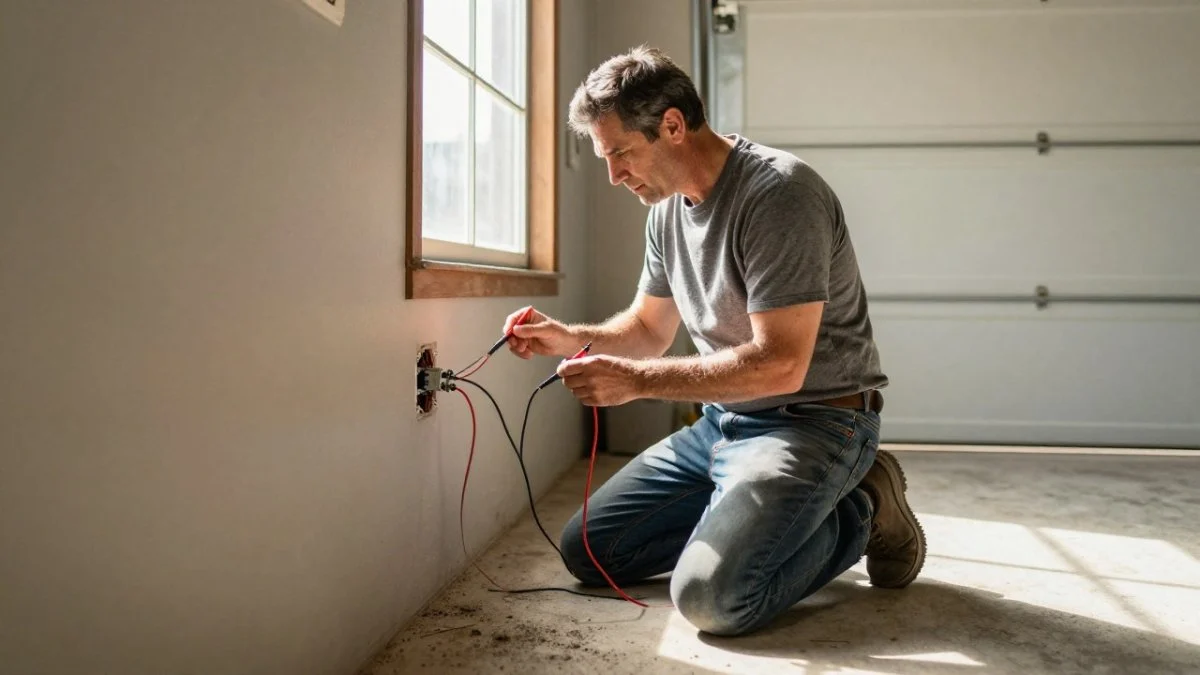
Learn how to test voltage drop at home with a digital multimeter. Follow safe, step-by-step checks for outlets, long wire runs, and flickering lights.
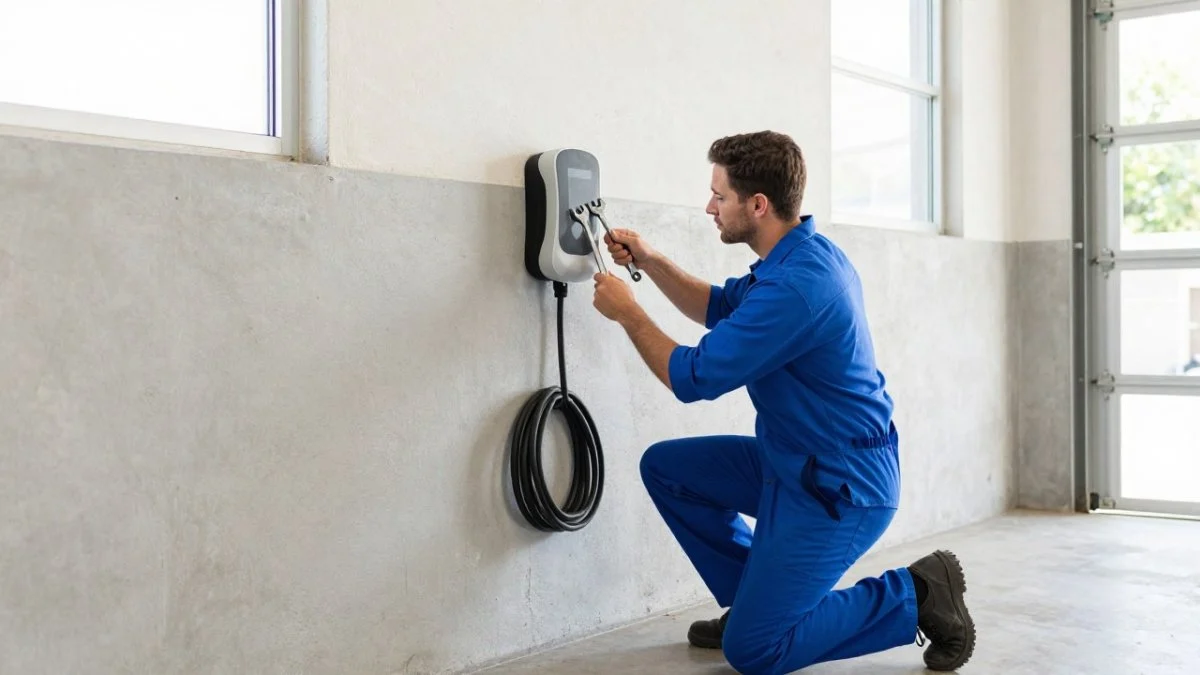
Learn what a home EV charger install really costs, from panel upgrades to wiring distance, and how to compare quotes before you commit.
Get Social