


Table of Contents
- Commercial Electrical Alternatives Overview
- Accurate Electric LLC: Full-Service Commercial and Residential Solutions
- Fuller Electrical Inc.: Customized Design and Energy Efficiency
- Wheeler Generators: Backup Power and Infrastructure
- Elite Craft Pros: Tenant Improvements and Multi-Trade Services
- Suncoast Power: Ongoing Maintenance and System Support
- Commercial Electrical Maintenance for Businesses
- Hiring a Commercial Electrician Checklist
- Frequently Asked Questions
Last Updated: September 27, 2026
Commercial Electrical Alternatives Overview
Choosing the right electrical contractor matters enormously, the right partner delivers increased electrical capacity, improved safety, and dependable performance; the wrong one leaves you with code violations, safety risks, and expensive repairs.
This guide covers commercial electrical services in the Tampa Bay area, including tenant improvements, backup power systems, panel upgrades, and ongoing maintenance. Below, we explain what sets Accurate Electric LLC apart, plus practical hiring steps.
Accurate Electric LLC: Full-Service Commercial and Residential Solutions
Accurate Electric LLC delivers comprehensive electrical solutions with over 31 years of combined industry experience and code-compliant work across commercial electrical needs.
They handle electrical panel upgrades, troubleshooting, and specialized marine and dock power installations, a critical advantage for waterfront properties. Licensed and insured electricians manage tenant buildouts and emergency services. They also offer commercial electrical maintenance and troubleshooting.
They diagnose root causes of flickering lights, breaker trips, and insufficient power. Preventative maintenance programs catch problems before costly downtime occurs.
Ask any contractor about their experience with your specific electrical challenge before scheduling. Accurate Electric LLC’s 31 years of combined experience means they’ve likely encountered, and solved, problems similar to yours.
Fuller Electrical Inc.: Customized Design and Energy Efficiency
Fuller Electrical Inc. brings a design-first approach, focusing on customized electrical design and energy-efficient system upgrades rather than straightforward installations.
They conduct electrical load analysis to identify waste in power consumption and lighting efficiency, then design solutions that lower operational overhead while maintaining full capacity.
For continuous operations, small reductions in kilowatt-hour consumption compound significantly. They specialize in commercial lighting upgrades, power distribution optimization, and troubleshooting inefficient infrastructure.
Their strength lies in consultation, asking about usage patterns, peak demand, and growth plans to ensure infrastructure matches real needs rather than theoretical maximums.
Custom quotes depend on your specific situation; the consultation takes time but delivers tailored solutions competitors cannot match.
Wheeler Generators: Backup Power and Infrastructure
Wheeler Generators specializes in backup power, essential infrastructure for facilities where downtime costs money, including data centers, hospitals, retail operations, and manufacturing plants.
They focus on commercial-grade generator installation, preventative maintenance, and emergency repair services, integrating power generation systems seamlessly into facilities.
They emphasize critical power infrastructure through preventative maintenance programs that ensure systems start reliably when needed, eliminating the preventable failure of generators that won’t turn over during outages.
High customer satisfaction ratings reflect their commitment to reliability and business continuity through emergency repair services.
Wheeler Generators works best for operations where every minute without power translates to lost revenue or compromised safety.
Elite Craft Pros: Tenant Improvements and Multi-Trade Services
Elite Craft Pros offers integrated multi-trade contracting for commercial buildouts and renovations, eliminating scheduling headaches and communication gaps from coordinating separate teams.
They handle electrical tenant buildouts alongside HVAC and other trades, coordinating everything through a single project manager so electrical infrastructure aligns with HVAC design and power distribution plans.
Free project estimates let you compare options without financial commitment, unlike contractors who charge consultation fees.
Local availability requires specific inquiry; they excel at comprehensive renovations but may not offer faster turnaround for specialized electrical work alone.
Commercial property managers and businesses undergoing major renovations or tenant buildouts where coordinating multiple trades creates complexity.
Suncoast Power: Ongoing Maintenance and System Support
Suncoast Power emphasizes facility maintenance contracts and ongoing system support rather than one-off installations, catching problems early and preventing emergency calls that disrupt operations.
Their strength lies in maintenance, regular inspections and preventative maintenance catch degradation issues before they become failures.
They help businesses stay ahead of problems through structured maintenance programs and power system troubleshooting.
They work best for businesses seeking a long-term partner; facility maintenance contracts provide predictable service and rapid response.
Commercial Electrical Maintenance for Businesses
Preventative maintenance separates businesses with constant electrical problems from those operating smoothly for years. The real driver is return on investment, understanding the cost of inaction versus structured programs shifts maintenance from optional to essential.
The True Cost of Electrical Failure
Electrical system failures extend far beyond repair costs: manufacturing facilities lose production revenue and miss deadlines, retail operations lose sales and customer trust, data centers face compliance violations and liability.
Most businesses underestimate electrical demand growth from equipment added over years. When demand exceeds capacity, breakers trip, connections overheat, and failures cascade.
Emergency repair costs 3-5 times more than preventative maintenance.
Preventative Maintenance Program Structure
A structured commercial electrical maintenance program can include:
- Annual electrical panel inspection, Identifies loose connections, corroded terminals, and aging components before they fail, preventing heat generation, insulation degradation, and fire risk.
- Load analysis every 2-3 years, Quantifies actual power consumption versus infrastructure capacity, informing decisions about panel upgrades or capacity expansion before demand exceeds supply.
- Quarterly backup generator testing, Confirms emergency power systems start reliably when needed, preventing costly failures discovered during actual outages.
- Annual code compliance review, Identifies violations before they create liability or force costly remediation during lease renewal or property sale.
- Thermal imaging every 2-3 years, Uses infrared cameras to detect overheating connections, failing components, and energy waste invisible to visual inspection.
- Documentation and trending, Maintains records revealing patterns in circuit failures, connection issues, and equipment aging to inform capital planning and targeted upgrades.
| Maintenance Task | Frequency | Typical Cost Range | Failure Cost if Skipped |
|---|---|---|---|
| Electrical panel inspection | Annually | $300-$600 | $2,000-$8,000 (emergency repair + downtime) |
| Load analysis | Every 2-3 years | $400-$800 | $5,000-$15,000 (capacity crisis, forced upgrade) |
| Backup generator testing | Quarterly | $150-$300 per visit | $10,000-$50,000+ (unplanned outage, lost revenue) |
| Code compliance review | Annually | $250-$500 | $3,000-$10,000 (violation remediation, liability) |
| Thermal imaging | Every 2-3 years | $500-$1,200 | $4,000-$20,000 (component failure, fire risk) |
The ROI Calculation
The question isn’t whether you can afford preventative maintenance, it’s whether you can afford not to. A structured program can offer significant savings compared to unplanned failures and emergency repairs over the same period.
Hiring a Commercial Electrician Checklist
Selecting the right contractor requires more than checking online reviews. A structured evaluation process ensures you hire someone qualified for your specific needs, budget, and local regulatory environment.
Verify Credentials and Local Licensing
Understand Local Permit and Inspection Requirements
Common permit triggers for commercial electrical work include:
- Panel upgrades or replacements
- New circuits or branch wiring
- Backup generator installation
- Tenant improvements or buildouts
- Equipment installation (HVAC, data systems, specialized machinery)
- Any work exceeding $2,500 in labor and materials
Assess Their Approach to Your Problem
Get Multiple Bids and Compare Scope
When comparing bids, examine what’s included:
- Do the quotes cover permits and inspection fees?
- Who handles cleanup and site restoration?
- Are materials included or quoted separately?
- What warranty do they provide on labor and materials?
- What’s included in the project timeline?
Confirm Insurance, Bonding, and References
Request references from businesses similar to yours. A contractor who installs tenant improvements in office buildings may not understand the specialized requirements of manufacturing facilities or waterfront properties. Specific experience matters. When you contact references, ask about:
- Whether the project stayed on schedule and budget
- The quality of the contractor’s communication during the project
- Whether any issues arose after completion, and how the contractor handled them
- Whether they would hire this contractor again
Check for Red Flags
Avoid contractors who:
- Pressure you into immediate decisions or demand deposits before providing written estimates
- Quote prices over the phone without site visits
- Refuse to provide written estimates or itemized bids
- Suggest bypassing permits or “working around” code requirements
- Cannot clearly explain their diagnostic process or justify their recommendations
- Lack verifiable references or have disciplinary history with the DBPR
- Offer prices significantly lower than competitors without explaining why
Unlicensed or unpermitted electrical work creates liability that extends to you, the property owner. If an injury or fire occurs and investigators discover unpermitted work, your insurance may deny coverage and you may face personal liability. The savings from hiring an unlicensed contractor evaporate instantly.
Frequently Asked Questions
What should I look for when hiring a commercial electrician?
Verify that your commercial electrician holds a current Florida electrical license, carries liability and workers’ compensation insurance, and has documented experience with commercial projects similar to yours. Ask for references from recent commercial clients and confirm they understand local electrical codes and permit requirements. Request a detailed written estimate that breaks down labor, materials, and timeline. Experience with your specific project type, whether panel upgrades, tenant improvements, or facility maintenance, matters significantly.
How do I verify if a commercial electrical contractor is licensed and insured?
Request the contractor’s Florida electrical license number and verify it through the Florida Department of Business and Professional Regulation (DBPR). Ask for proof of general liability insurance and workers’ compensation coverage; reputable contractors provide these documents readily. Check that their insurance is current and covers commercial electrical work. Licensed contractors display their credentials prominently and maintain up-to-date certifications. Never hire a contractor who cannot provide documentation or whose license has lapsed.
What are the main differences between commercial electrical maintenance for businesses and residential electrical work?
Commercial electrical systems operate at higher voltages, use three-phase power, and require compliance with stricter codes than residential installations. Commercial projects involve larger electrical loads, more complex wiring, and infrastructure designed for business continuity. Maintenance demands are more rigorous, often requiring preventative inspections and compliance with OSHA standards. Commercial electricians must understand tenant improvement codes, industrial electrical infrastructure, and emergency power systems. Residential work typically handles single-phase power and simpler load requirements.
How often should commercial electrical systems be inspected?
Most commercial facilities benefit from annual electrical inspections to identify potential safety hazards and code violations. High-demand facilities or those with aging infrastructure may need semi-annual inspections. After major renovations, tenant improvements, or panel upgrades, a post-project inspection ensures compliance. Regular preventative maintenance reduces emergency repairs, extends equipment life, and protects against downtime. Your electrician can recommend an inspection schedule based on your facility’s age, usage patterns, and equipment condition.
What is included in a commercial electrical estimate?
A detailed commercial electrical estimate should itemize labor costs, materials, equipment, permits, and timeline. It should specify the scope of work, including panel upgrades, wiring installation, or maintenance services. The estimate must clarify whether it includes permit acquisition and inspection fees. Reputable contractors provide written estimates that allow you to compare proposals fairly. Ask whether the estimate covers unforeseen issues and what change-order procedures apply if additional work is discovered during the project.












continue reading
Related Posts
Find top residential electrical safety inspection services. Compare licensed contractors, learn what inspections cover, and discover red flags. Get expert.
Preventing electrical surges: Learn how to prevent electrical surges in commercial buildings with layered protection strategies, NEC compliance.
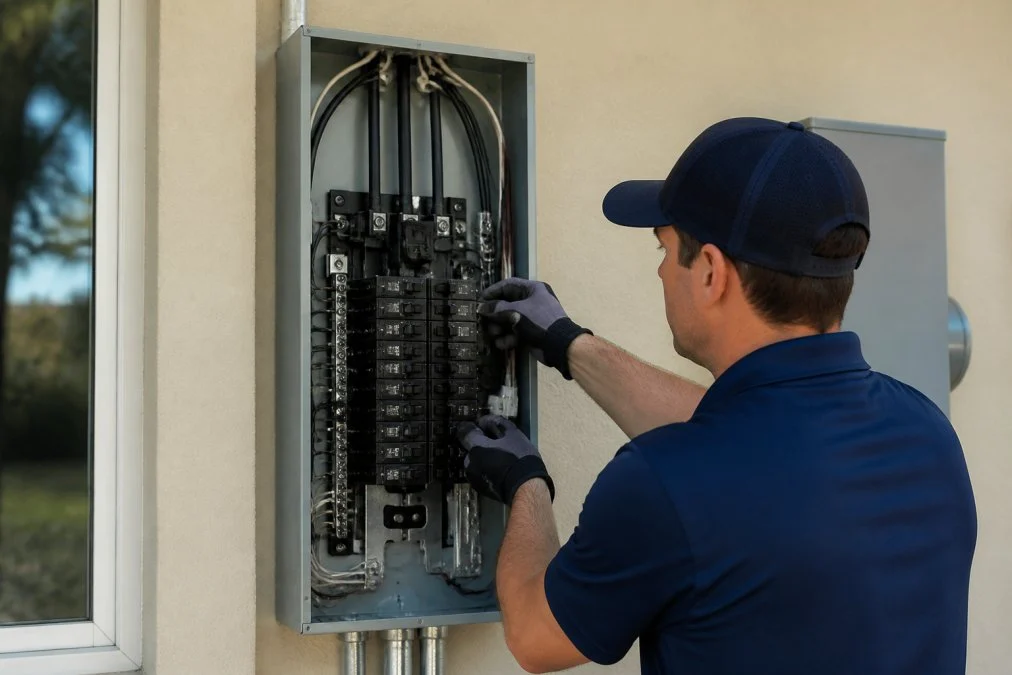
Learn about residential panel upgrades: costs, safety risks, permits, and how to choose a licensed electrician. Get expert guidance today.
Get Social